
Breath
I have written and told countless patients about the importance of breathing, recently covered well in James Nestor’s book Breath – a top 10 health book of all time. This BBC piece covers 5 techniques that show up in Nestors BBC Maestro lecture series.
- Cyclic Sighing: Inhale deeply through the nose, take a second shorter inhale to fully expand the lungs, then exhale slowly and completely through the mouth; repeat for about 5 minutes.
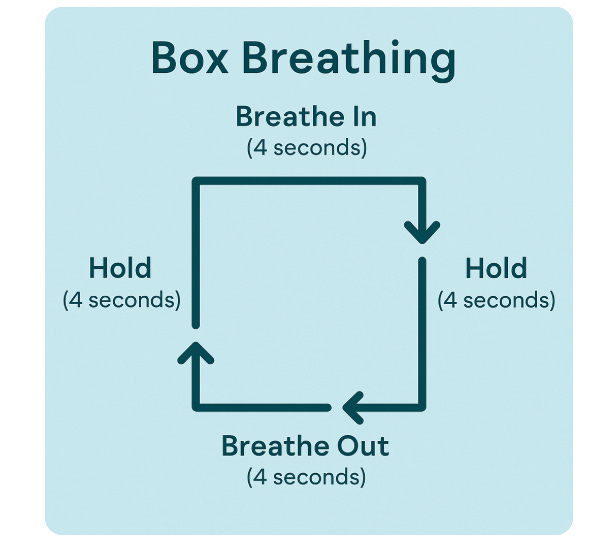
- Box Breathing: Inhale for 4 seconds, hold for 4 seconds, exhale for 4 seconds, and hold again for 4 seconds; repeat the cycle.
- 4-7-8 Breathing: Inhale quietly through the nose for 4 seconds, hold for 7 seconds, then exhale completely through the mouth for 8 seconds; repeat.
- Coherent Breathing: Breathe slowly and smoothly through the nose (about 5 seconds in and 5 seconds out) at roughly 6 breaths per minute, focusing on deep diaphragmatic breathing.
- A52 Breath Method (5‑5 breathing with end-expiratory pause): Inhale slowly through the nose for 5 seconds, exhale slowly for 5 seconds, then gently hold the breath for 2 seconds at the bottom; repeat.
Movies look less real now
• Cool video describing why modern movies don’t feel as real anymore. When you are watching some of the newer, especially CGI heavy movies, you will find the background blurred and unrealistic. Advances in post-production processing of video have allowed producers to film on green screens and just go back later and process the images. But not all producers / directors do this: Christopher Nolan planted 500 acres of real corn for Interstellar, to ensure the fields looked authentic (he supposedly made money later when they harvested the corn).
• The video contrasts “haptic visuality” with “optic visuality.” In haptic visuality, the viewer feels a tactile sensation, like you can touch the images in a video. You can appreciate a surface texture, heat, fire, or other sensations that take you into the movie.
Synbiotic
• Seed probiotic calls itself a “synbiotic,” referring to a synthesis of probiotic and prebiotic (fiber / food that the bacteria thrive on). A fairly pricey supplement ($60 for one month), Seed includes strains that have decent evidence. The packaging and marketing are convincing. The glass jar is nice looking; the pills are a deep, forest green (the capsule is the prebiotic fiber and the inside is the probiotic). Beware of claims of probiotics; it is still a young science. But this product seems legit.
LDL and plastics
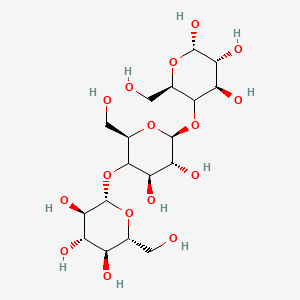
• Beta glucans are fiber molecules found in grains like oats and barley. Like other fibers, they feed gut bacteria, especially species recognized as healthy. The glucan molecule may have other benefits: lowering LDL and possibly binding or increasing excretion of microplastics. Not many lifestyle changes help us dump plastics out of our bodies. The best approach is to avoid them in the first place, which is becoming almost impossible.
• I picked up this product based on recommendation from Dr. Rhonda Patrick in her recent Q and A that covered this topic. Mixes well with oatmeal, or you can chug in a glass of water.
Human Art
• In a recent newsletter, Paul Kix linked to a YouTube video about a ChatGPT-created review of a novel. The host, “Jake,” rants about the generic, homogenized “AI Slop” from that sounds fancy but says nothing.
• Writing is a desirable difficulty, but we cheat ourselves when we outsource that hard work to AI. Despite how impressively large language models (LLMs) can wordsmith, Jake professes hope for the future of real, gritty human writing. I felt a palpable sense of hope for humans and our ability to create and to enjoy what other humans have created.
Quotes
In the family, I learn the complex choreography of love—what it means to give and take and share, to grow from obedience to responsibility, to learn, challenge, rebel, make mistakes, to forgive and be forgiven, to argue and make up, to win without triumph and know when graciously to lose. It’s where we acquire emotional intelligence, that delicate negotiation between the given and the chosen, the things I will and the things resistant to my will.
– Jonathan Sacks, rabbi, philosopher, and author
If a large diamond is cut up into pieces, it immediately loses its value as a whole; or if an army is scattered or divided into small bodies, it loses all its power; and in the same way a great intellect has no more power than an ordinary one as soon as it is interrupted, disturbed, distracted, or diverted.
– Arthur Schopenhauer
